Introduction: Why a Free Project Management Website Matters
If you’ve ever tried to juggle tasks, deadlines and people with nothing but email and a spreadsheet, you’ll know the feeling — things slip through the cracks, conversations are fragmented and progress becomes hard to track. A free project management website gives you a structured place to organise work, visualise progress and keep everyone on the same page without the upfront cost.
The best part is that modern free tools are powerful enough for many teams: they include boards, timelines and basic reporting, so you can adopt professional practices like Kanban or Scrum without buying into an expensive subscription. This article explores what to look for, how to start and some practical tips to make a free system actually stick in your organisation.
Why choose a free project management platform?
Budget is the obvious reason: small businesses, startups and volunteer teams often need capable tools without the financial overhead. A free platform lets you test processes, experiment with workflows and scale at your own pace.
Beyond cost, simplicity is another advantage. Many free plans force vendors to focus on core features and usability, which can be healthier for teams who just want to get work done rather than wrestle with complicated settings. A well-chosen free solution can speed up onboarding, reduce resistance to change and allow you to evaluate feature needs before committing to a paid tier.
Essential features to look for
Not all free project management websites are equal. When you’re evaluating options, keep an eye on a few key capabilities:
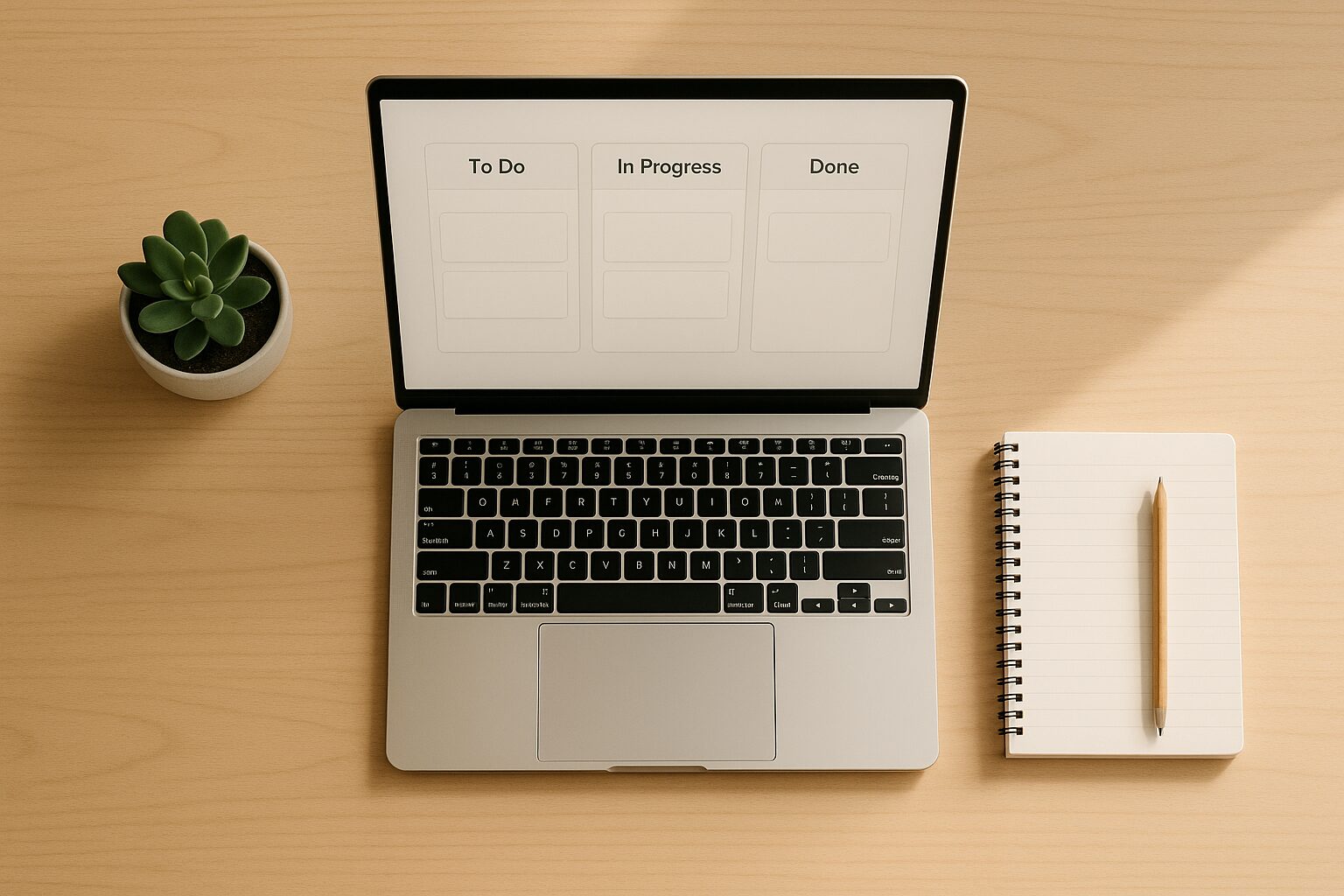
– Boards (Kanban): Visual columns for columns such as To Do, In Progress and Done. They make workflow transparent and help teams limit work in progress.
– Scrum support: Backlog management, sprints and story points help teams using Agile approaches plan and review work.
– Collaboration: Comments, attachments and @mentions reduce email and keep discussion next to the work.
– Ease of use: A low learning curve is crucial. If the tool feels clunky, adoption will stall.
– Integrations and export: Even on a free plan, being able to connect to calendars, chat apps or export data is a boon.
These features will give you the flexibility to manage simple tasks and more complex delivery rhythms without immediately needing an enterprise platform.
Getting started: practical steps with a free system
Start small. Create a single project or board that represents one real piece of work — perhaps your next product launch or a website refresh. Use it to define tasks, assign owners and set due dates. Keep the first board intentionally simple so the team can learn the process rather than the tool.
If you want to try a system that feels familiar to users of Trello or Monday, give onlinetcards.com a look. It offers a free project management system including Kanban and Scrum boards, so you can experiment with both visual task flow and sprint-based planning. Create a backlog, run a short sprint and reflect — that loop will teach you faster than reading setup guides alone.
Tips for teams: adoption and steady improvement
Adoption often fails because people don’t see immediate benefit. Make the value obvious: use the tool in your next meeting, update cards live and highlight the reduction in email or the visibility it provides. Appoint a champion to answer questions and keep standards consistent.
Iterate your process. Start with a minimal workflow and add rules or automations only when they solve a clear pain point. Review retrospectives to capture what’s working and what isn’t. Over time you’ll identify patterns — which types of tasks need templates, which require checklists and where automation can save repeated effort.
Conclusion: Free tools as a stepping stone, not a limitation
A free project management website can be an excellent foundation for tighter collaboration and clearer delivery. It helps teams adopt better habits without heavy investment and gives leaders data to justify future spend if and when growth demands it.
Remember: the tool supports your process, it doesn’t replace it. Choose a simple platform, get everyone involved early and treat your initial months as an experiment. With consistent use and small, pragmatic improvements, a free system will often surprise you with how much it can achieve.