Why Free Project Management Software Matters
Free project management software has moved from a nice-to-have to an essential for small teams, freelancers and non-profit organisations. With constrained budgets and ever-tightening schedules, the ability to organise tasks, visualise progress and communicate in one place levels the playing field. It’s not just about cost — many free tools now pack features that used to be reserved for paid tiers, so you can get real work done without a subscription.
Choosing a free platform also reduces friction for new users. When there’s no upfront payment, teams experiment more, adopt faster, and iterate on processes without financial risk. That flexibility can be the difference between a stalled initiative and a smooth rollout.
Core Features to Look For
Not all free solutions are created equal. Look for a solid foundation: task management, due dates, attachments, comments and basic reporting. Equally important are visual boards — kanban and scrum — which turn abstract plans into tangible workflows.
Integration options matter too. Even if you’re keeping costs down, being able to connect with calendars, cloud storage and chat apps prevents future headaches. Finally, check permissions and user limits; some ‘free’ tiers restrict essential collaboration features, which can hinder growth.
Kanban and Scrum: When to Use Each
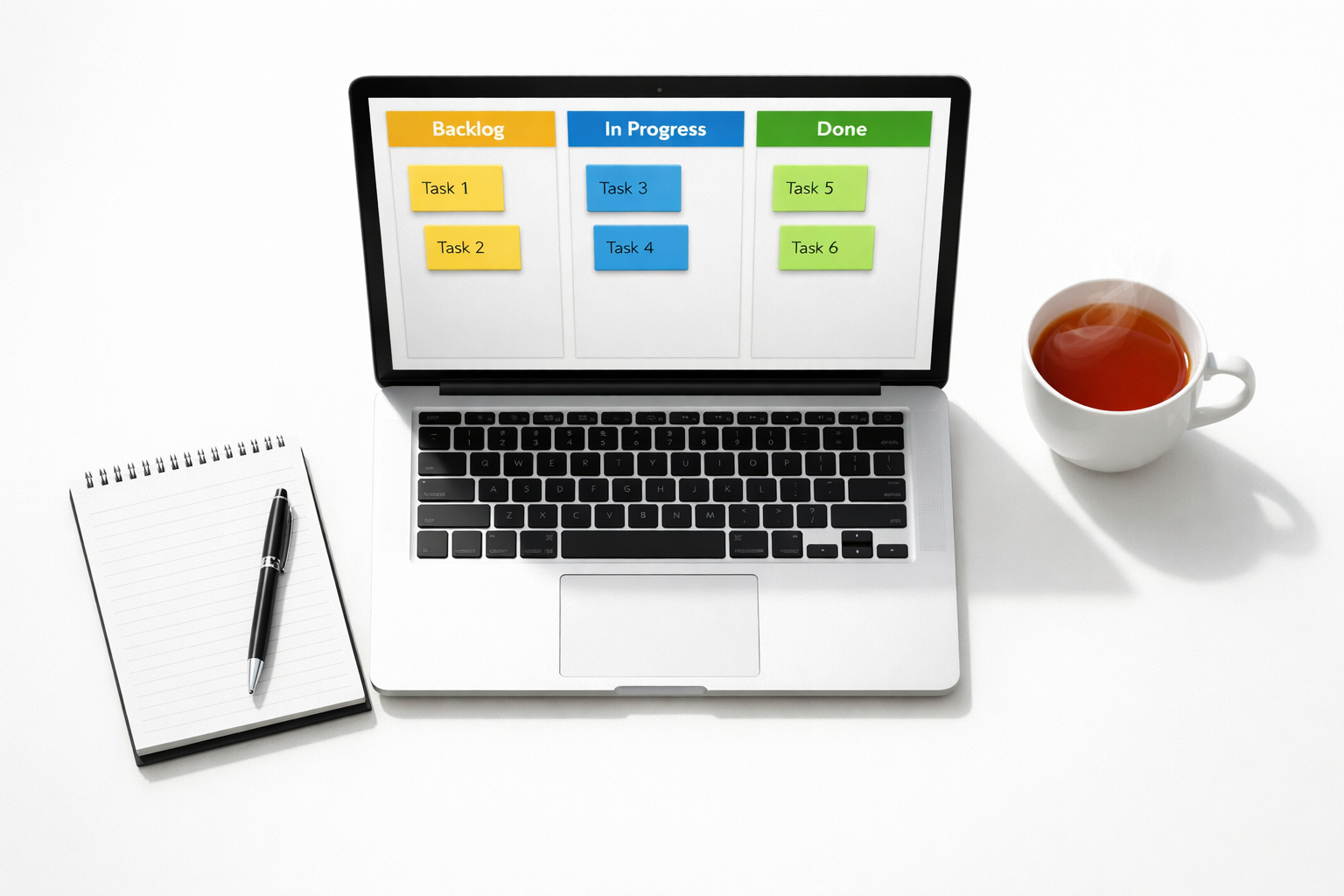
Kanban boards excel at continuous delivery and visualising flow. If your team handles a steady stream of tasks or support tickets, a kanban view makes bottlenecks obvious and helps maintain momentum. Columns like Backlog, Doing and Done are instantly intuitive and encourage incremental improvements.
Scrum is better suited to teams working in time-boxed sprints with planned increments of work. If you need regular sprint reviews, burndown charts and a more structured cadence, scrum gives you the rituals and artefacts that support iterative development. Many platforms, including those offering free plans, provide both views so you can switch modes when projects demand it.
A Practical Option: onlinetcards.com
If you’re exploring free tools, it’s worth checking out onlinetcards.com. It offers a free project management system with kanban and scrum boards, intuitive card-based workflows and enough flexibility for small teams to plan, track and deliver work. The interface is familiar to users of Trello, Favro or Monday, so onboarding tends to be quick.
Because it combines visual boards with core collaboration features in a free tier, it’s a practical starting point for teams that want to avoid paying for functionality they don’t yet need. Try a pilot project there to see if it fits your process before committing to any paid option.
Tips for Adopting a Free Tool Successfully
Start small: launch a single project to test how the team interacts with the tool. Define a simple workflow and keep the number of columns and labels manageable to avoid clutter.
Train quickly and iteratively. Short demo sessions and a one-page cheat sheet reduce confusion. Encourage consistent card updates — a quick comment or status change keeps everyone aligned.
Review and adapt monthly. Even in free versions you can refine processes, archive completed projects and prune unused integrations. If limitations surface, document them: sometimes a paid upgrade is cheaper than the productivity lost working around constraints.
Final Thoughts
Free project management software offers a low-risk way to professionalise how work gets done. With features like kanban and scrum increasingly available at no cost, teams can experiment with modern workflows and scale when needed. Explore a few options, including onlinetcards.com, run a short pilot and pick the platform that matches your team’s rhythm rather than the flashiest feature set.