Introduction: Why an Online Tcard System Matters
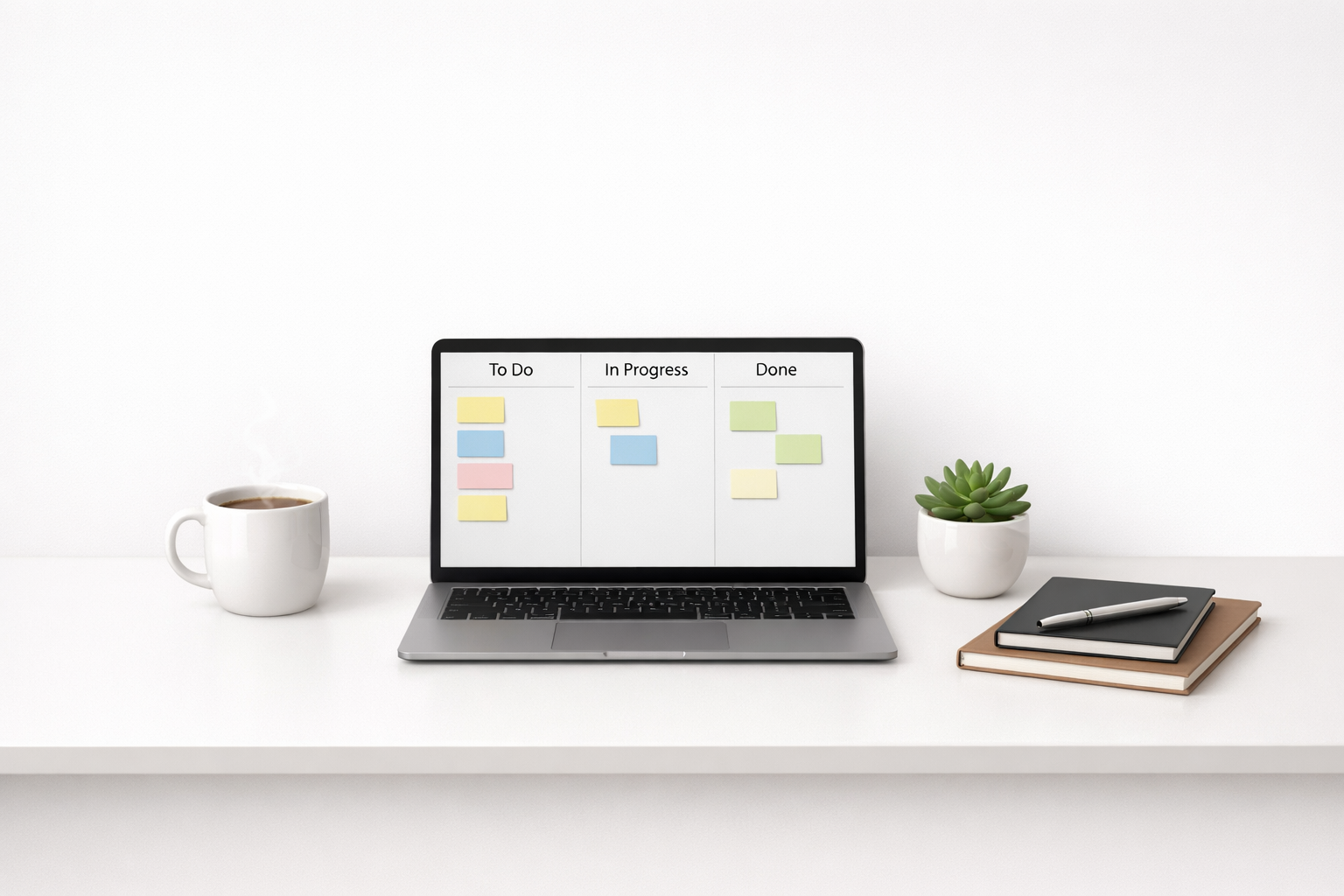
Project management tools used to be a collection of sticky notes, frantic inboxes and the odd spreadsheet that never quite added up. Today, an online Tcard system brings that chaos into a calm, central place — think of it as a digital corkboard where tasks move smoothly from idea to done. It’s less about replacing human judgement and more about giving teams a shared language and visual rhythm.
Whether you’re running a small design studio, coordinating a remote software team, or simply organising a home renovation project, a flexible online system can change how you plan, prioritise and deliver. It’s especially useful for teams that embrace agile practices, because boards and cards are a natural fit for iterative work and continuous improvement.
Core Concepts: Kanban, Scrum and the Tcard Philosophy
At its heart, an online Tcard system combines the simplicity of cards with the structure of boards. Kanban boards help you visualise flow — columns represent stages such as Backlog, In Progress and Done — while Scrum boards let you manage time-boxed sprints and commitments.
The Tcard philosophy prioritises clarity: each card represents a single piece of work with clear acceptance criteria, owners and conversations attached. This reduces ambiguity and encourages frequent small deliveries. It’s a practical approach that supports both pull-based work (kanban) and sprint-based planning (scrum), so teams can pick what fits their way of working.
Key Features to Look For
When evaluating systems, some features make a real difference:
– Intuitive Kanban and Scrum boards: Drag-and-drop ease, custom columns and swimlanes for different workflows.
– Card-level details: Checklists, attachments, comments, labels and time estimates to keep context close to the work.
– Integrations: Connect with chat, calendar, CI/CD or file storage so updates happen where your team already works.
– Customisation and permissions: Tailor fields, templates and access control for different teams and stakeholders.
– Reporting and analytics: Simple cycle time and throughput metrics help you spot bottlenecks and improve flow.
A platform that balances these features without overwhelming users tends to win adoption and sustain long-term value.
Getting Started: Try onlinetcards.com
If you want a low-friction way to try the concept, onlinetcards.com offers a free project management system with Kanban and Scrum boards that’s similar in spirit to Trello, Favro or Monday. It’s designed for teams that want fast setup and straightforward workflows without a steep learning curve.
Start by creating a board for one project and invite a couple of colleagues. Create a few cards for current tasks, assign owners and move them across columns during your next stand-up. You’ll quickly feel the difference when conversations and files live on the card rather than scattered across apps.
Practical Tips for Teams
A tool is only as good as the habits around it. Here are a few practical tips:
– Keep cards small and actionable: If a task feels big, split it.
– Name columns clearly: Avoid ambiguous labels — make stages reflect decision points.
– Use a single source of truth: Encourage the team to update the board in real time so it reflects reality.
– Regularly groom the backlog: A tidy backlog prevents surprise work and keeps priorities visible.
– Review metrics monthly: Use simple flow metrics to guide process tweaks rather than blame individuals.
These habits turn a good board into a reliable delivery engine.
Conclusion: Small Changes, Big Impact
Adopting an online Tcard system is less about adopting software and more about adopting a way of seeing work — visual, incremental and collaborative. The right platform will reduce noise, improve predictability and make day-to-day coordination easier.
If you’re curious to explore without a heavy commitment, jump in at onlinetcards.com and run a pilot. Give it a few sprints or weeks and you’ll start to notice clearer priorities, fewer surprises and a more empowered team.