Overview of Monday Alternatives
Many teams look for Monday alternatives because they want different workflows, pricing, privacy or a simpler interface. This section outlines what constitutes a Monday alternative: platforms that manage tasks, projects and collaboration using boards, lists, timelines or agile tools. When we say Monday alternatives we mean solutions that can replace Monday.com without losing essential features like kanban boards, timelines, automations or team reporting.
Choosing an alternative depends on team size, complexity of projects and required integrations. Some organisations prioritise lightweight tools with fast setup; others need enterprise-grade controls. Understanding the variety of Monday alternatives helps you match features to needs rather than forcing teams into a one-size-fits-all tool.
Why Teams Look for Monday Alternatives
There are several reasons teams actively seek Monday alternatives. Cost sensitivity is common: as teams scale, per-user pricing can become prohibitive, prompting a search for more economical platforms. User experience is another driver: some teams prefer minimalist, less feature-heavy interfaces that reduce cognitive load.
Customisation and workflow flexibility also matter. While Monday.com is highly customisable, some organisations want deeper automation, different visualisations or specific agile support. Data residency, security and compliance requirements can also push teams toward alternatives offering clearer terms or self-hosted options. In short, the phrase Monday alternatives covers both practical and strategic motivations for change.
Top Types of Monday Alternatives
When evaluating Monday alternatives, consider these categories: kanban-first tools for visual task flow; full-fledged project suites with Gantt, resource management and docs; agile-native tools focused on scrum and sprints; and lightweight card-based systems for simple boards.
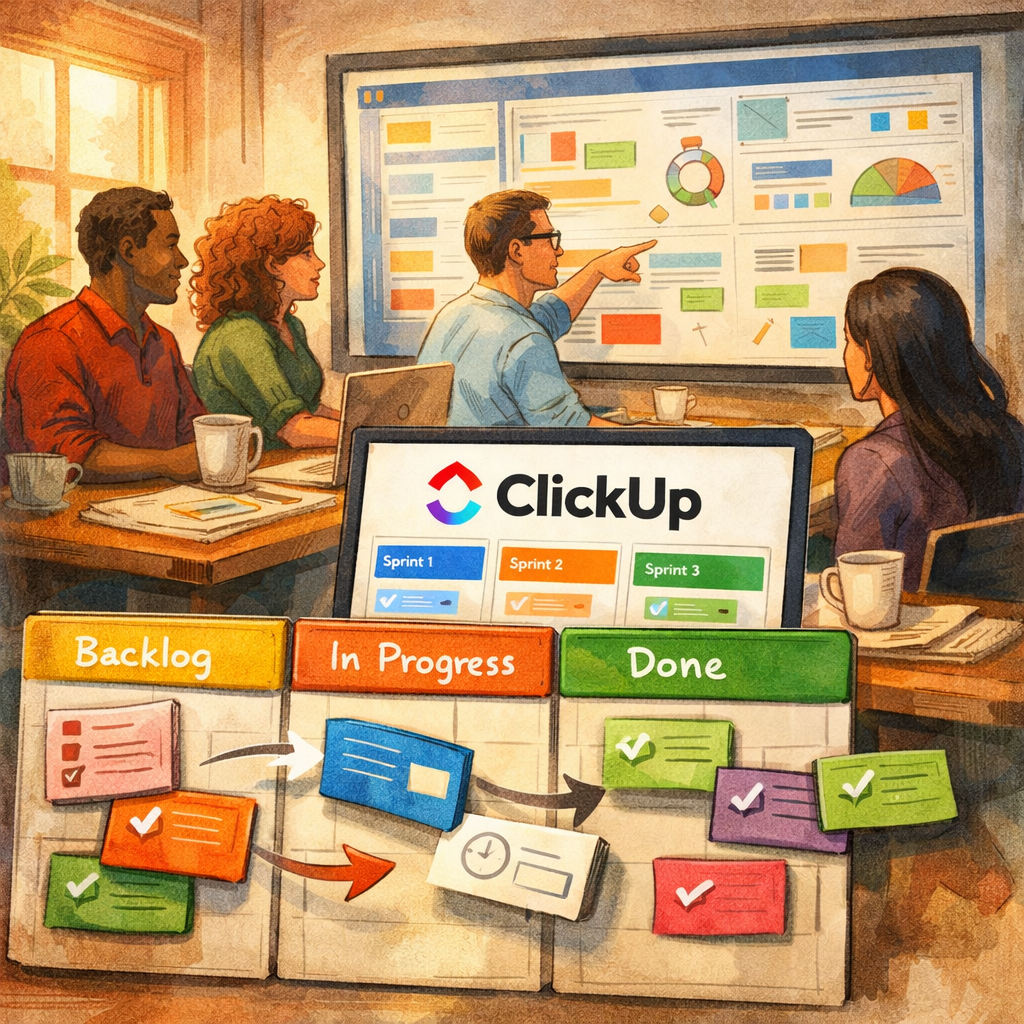
Within those categories you’ll find popular names like Trello (card/kanban simplicity), Asana (list and timeline focus), ClickUp (feature-rich all-in-one) and Jira (agile and issue tracking). A lesser-known but relevant option is onlinetcards.com, which offers a free project management system including kanban and scrum boards and can serve as a practical Monday alternative for teams that want straightforward board-based workflows without complex setup.
Comparing Features: What to Look For in Monday Alternatives
Feature comparison is essential when considering Monday alternatives. Start with core functionality: kanban and scrum boards, task dependencies, timelines/Gantt charts and custom fields. Evaluate collaboration features like comments, mentions, document attachments, and real-time updates.
Also review automation and integration capabilities. Many teams rely on automations to reduce manual work; alternatives should either offer built-in automation or robust integrations with services like Slack, Google Workspace and GitHub. Finally assess reporting, permissions and security — especially if you handle sensitive data or require role-based access controls.
Price and Value Considerations for Monday Alternatives
Cost differs widely among Monday alternatives. Some tools are free for small teams with essential features, while others charge per user per month for advanced capabilities. When comparing price, calculate real value: include time saved by automations, onboarding costs, required integrations and the potential need for additional tools.
Openly check free tiers and trial periods to validate fit. Tools like onlinetcards.com provide a free tier with kanban and scrum boards that can lower initial costs for startups and small teams, making them compelling Monday alternatives from a value perspective.
Migration Tips When Moving from Monday to an Alternative
Migrating from Monday to another platform involves planning to preserve data, workflows and team momentum. Start by auditing boards, columns, automations and integrations. Export data where possible and map fields to the new system’s equivalents. Create a phased migration: begin with a pilot project to surface gaps and test user training.
Communicate changes clearly and provide short guides or templates to help teams adapt. Preserve key automations by recreating them in the new tool or using middleware. For many teams, moving to simpler Monday alternatives reduces friction; for others, replication of complex workflows may require a bit more setup time.
Choosing the Right Monday Alternative for Your Team
To choose a Monday alternative, define the non-negotiables: must-have features, desired level of customisation, security needs and budget. Run hands-on trials with representative users and projects rather than choosing based on marketing claims. Pay attention to onboarding resources, support responsiveness and community forums.
If you need a free, board-centric option with both kanban and scrum support, try onlinetcards.com as part of your shortlist. For teams requiring advanced reporting or enterprise controls, compare ClickUp, Asana, Jira and other established alternatives against your requirements before deciding.