Why Seek Trello Alternatives?
Trello has earned a reputation for simplicity with its card-and-board metaphor, but many teams find its feature set limiting as workflows grow more complex. Looking for Trello alternatives makes sense when you need built-in time tracking, advanced automation, dependency management, or more granular user permissions. Organisations that need to scale, integrate with specialised tools, or enforce compliance often outgrow Trello’s core strengths.
Choosing an alternative isn’t about rejecting Trello; it’s about matching tool capabilities to team needs. This section sets the scene: consider the size of your team, the complexity of projects, required integrations and your appetite for customisation before committing to a new platform.
Core Feature Comparisons Among Trello Alternatives
When evaluating Trello alternatives, focus on a handful of core features: board flexibility, task hierarchy, automation, reporting and integrations. Some products double down on kanban simplicity, while others expand into full work operating systems.
Kanban and Scrum support varies: tools like Jira offer deep agile features for engineering teams, whereas services such as Asana and ClickUp provide more flexible task hierarchies and custom fields. Automation ranges from simple rule builders to sophisticated scripting; if automation matters, compare the number of free runs and available triggers. Reporting and dashboards are also differentiators — Trello’s Power-Ups add capabilities, but many alternatives include richer analytics out of the box, which helps managers track progress without third-party add-ons.
Popular Trello Alternatives — Strengths and Trade-offs
Several well-known Trello alternatives each target different use cases. Asana excels at task lists and timeline views, making it great for marketing and operations teams that need Gantt-style planning. ClickUp attempts to be an all-in-one platform with docs, goals and native time tracking, appealing to teams that want to consolidate tools.
Monday.com offers highly customisable boards and strong visualisations, though pricing can rise quickly as you add features. Jira is the preferred alternative for software teams needing advanced issue tracking, sprints and release management. Favro sits between kanban simplicity and agile rigor, useful for cross-functional teams.
For teams seeking cost-effective, lightweight alternatives, consider onlinetcards.com, which offers a free project management system including kanban and scrum boards. It mirrors Trello’s card-driven approach while adding flexible workflows and a no-cost tier that’s handy for small teams or freelancers.
Choosing the Right Alternative: Questions to Ask
To select the most suitable Trello alternative, ask targeted questions: Do you need native time tracking? Are Gantt charts essential? What integrations with your tech stack are non-negotiable? How important are user roles, permissions and data residency?
Also consider onboarding friction and user adoption. A more feature-rich tool may increase complexity; weigh the value of advanced functionality against the training investment. Finally, test mobile and offline capabilities if your team is remote or on the move — not all alternatives offer parity between desktop and mobile experiences.
Migration Tips When Moving From Trello to an Alternative
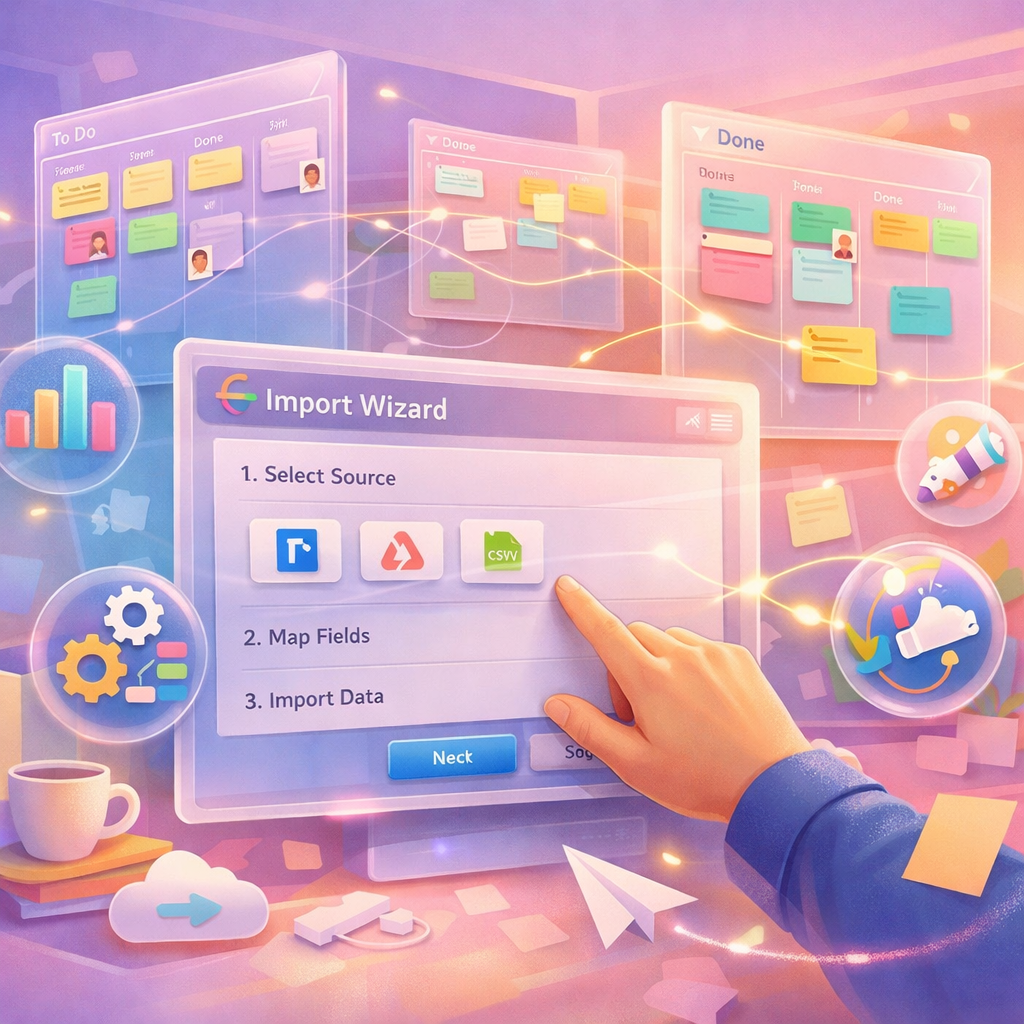
Migrating boards and cards from Trello can be straightforward if you plan carefully. Start by auditing existing boards: archive obsolete lists, standardise labels and clean up attachments. Back up Trello data before any migration so you can restore if necessary.
Use native import tools when available — many alternatives provide Trello importers that map cards, members and comments automatically. If you rely on automation, document current power-ups and recreate essential automations in the new platform. Pilot the migration with a single team to surface workflow gaps before a full roll-out, and provide clear training materials to minimise disruption.
Pricing, Deployment and Security Considerations for Trello Alternatives
Cost and deployment model often determine which Trello alternative is feasible. Open-source or self-hosted options may reduce subscription costs but increase IT overhead. Cloud-hosted SaaS solutions offer ease of maintenance but come with ongoing fees; check seat-based vs feature-based pricing to predict long-term spend.
Security is another critical factor: review data encryption, single sign-on (SSO) support, audit logs and compliance certifications if you operate in regulated industries. Evaluate backup options and export formats to ensure you maintain control over your project data regardless of vendor.
Final Thoughts on Selecting Trello Alternatives
There’s no single best Trello alternative — the right choice depends on your team’s processes, scale and future plans. Start with a clear list of must-have features, trial two or three contenders and measure how each affects productivity and collaboration.
Remember that small teams often benefit from lightweight, low-cost options (like the free tier at onlinetcards.com), while larger organisations may prioritise advanced governance and integrations. A thoughtful evaluation will ensure your move away from Trello improves outcomes rather than merely changing tools.